 15 July 2026
 Share
Share
1
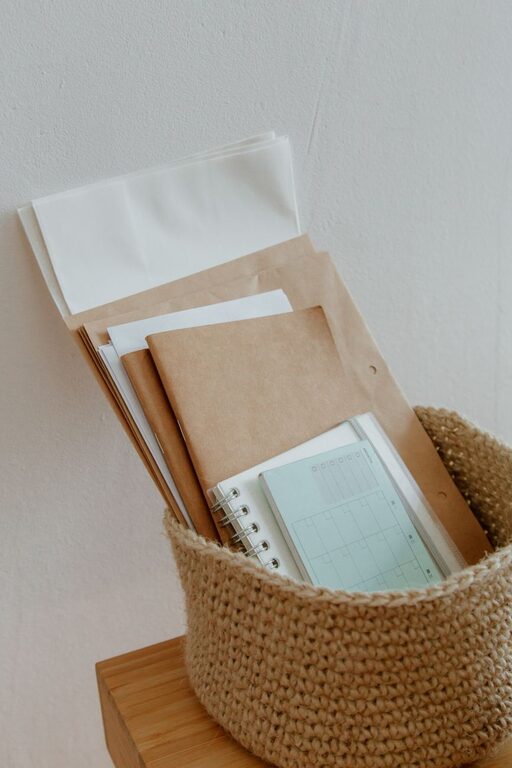
Managing paper clutter at home can often feel overwhelming. From bills and receipts to school papers and junk mail, piles of paper tend to accumulate quickly, creating unnecessary stress and disorder. Fortunately, with a few simple habits and smart systems, you can significantly reduce paper clutter and enjoy a tidier, more organized home.
Before diving into solutions, it helps to understand why paper clutter builds up:
– Incoming paper overload: Mail, school work, flyers, and other documents arrive daily.
– Unclear organization: Without a designated place, papers accumulate on counters, desks, and tables.
– Delayed action: Bills or forms are set aside to deal with later but often get forgotten.
– Sentimental attachments: Some papers hold sentimental value, making it harder to discard them.
By tackling these challenges with practical steps, you can keep paper clutter under control.
Designate a single spot in your home where all incoming paper is collected. This could be a folder, tray, or small filing system near the main entrance or kitchen.
– Use labeled trays such as “To Do,” “To File,” and “To Shred.”
– Encourage family members to place papers there immediately upon arrival.
– Regularly check and empty the station to prevent piles from forming.
Reducing physical paper starts with embracing digital options.
– Opt for electronic bills and statements instead of paper copies.
– Use apps or online accounts to view and pay bills.
– Scan important documents and store them securely on your computer or cloud storage.
– Use note-taking apps instead of paper notebooks for lists and reminders.
Going paperless not only cuts clutter but also makes finding documents faster.
Make it a habit to sort through papers weekly or bi-weekly.
– Immediately recycle junk mail and flyers.
– Shred papers containing personal or sensitive information.
– File important documents like tax papers, warranties, and medical records in a clear and accessible system.
– Discard or archive school papers and children’s artwork after selecting meaningful pieces.
Regular purging keeps paper piles manageable and prevents accumulation.
An effective filing system doesn’t have to be complicated.
– Choose a filing cabinet, box, or portable container.
– Use broad categories such as “Bills,” “Medical,” “Home,” “School,” and “Receipts.”
– Label folders clearly for easy access.
– Keep your filing system in a convenient location.
This structure helps you locate papers quickly and reduces clutter by keeping papers in one place.
Some clutter forms simply because more paper is used than necessary.
– Print double-sided to cut paper use in half.
– Avoid printing emails or recipes if you can view them on a device.
– Use reusable shopping lists and calendars.
– Encourage digital communication with family, friends, and organizations.
Reducing the amount of paper you bring into your home is the first step to controlling clutter.
Children’s school papers, artwork, and projects often add up fast.
– Set a limit on how much paper you keep, such as one box or folder per child.
– Display favorite artwork on a bulletin board or refrigerator for a limited time.
– Take photos of larger projects or collections before letting them go.
– Involve your kids in choosing which papers to keep and which to recycle.
This approach respects memories while keeping clutter in check.
Consistency is key in maintaining a clutter-free paper environment.
– Schedule a weekly time slot dedicated to handling paper.
– Use this time to deal with bills, sort mail, file documents, and discard unnecessary papers.
– Encourage all household members to participate in this routine.
A steady routine prevents paper piles from becoming overwhelming.
– Label maker: Creates neat, easy-to-read labels for files and folders.
– Shredder: Helps securely dispose of sensitive information.
– Desktop organizer: Keeps smaller paper items neatly arranged.
– Mobile scanner app: Quickly digitizes documents on the go.
Having the right tools at hand supports your paper management efforts.
—
Reducing household paper clutter is a manageable task when approached with simple systems and regular habits. By creating a paper station, going digital, filing smartly, and maintaining routines, you’ll find your space feeling calmer and more organized. Start small today, and enjoy the benefits of a clutter-free home tomorrow!