
 15 July 2026
 Share
Share
1
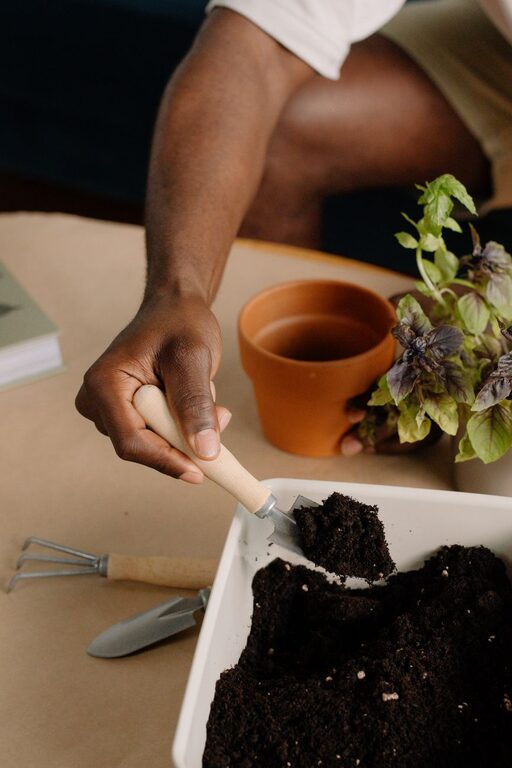
Starting a small herb garden indoors is a rewarding project that brings fresh flavors to your kitchen and adds a touch of greenery to your home. Whether you have limited outdoor space or want herbs available all year round, growing them indoors is both practical and enjoyable. This guide will walk you through the steps to create your own thriving indoor herb garden.
Growing herbs indoors offers several advantages:
– Freshness: Access fresh herbs anytime for cooking, teas, and remedies.
– Convenience: No need to step outside or buy expensive, pre-packaged herbs.
– Space-saving: Perfect for apartments or homes without garden space.
– Decor: Adds natural beauty and a pleasant aroma to your living space.
– Educational: Great way to learn about plant care and gardening basics.
Not all herbs thrive indoors equally well. For beginners, select herbs that adapt well to indoor conditions and require similar care. Some popular indoor herbs include:
– Basil: Needs plenty of light; perfect for summer.
– Parsley: Hardy and versatile; tolerates lower light.
– Mint: Grows quickly and spreads easily; keep in a separate pot.
– Chives: Requires moderate sunlight; easy to grow.
– Thyme: Prefers bright light; drought-tolerant.
– Oregano: Likes warmth and light; great in Mediterranean dishes.
– Cilantro: Best in cooler spots with indirect light.
– Consider what herbs you use most in cooking.
– Check the plant’s light and water needs to match your indoor conditions.
– Start with seedlings or small plants for quicker results, or grow from seeds for a budget-friendly option.
Your choice of container impacts plant health:
– Size: Ensure pots are large enough for root growth, usually 4-6 inches deep.
– Drainage: Containers must have drainage holes to prevent waterlogging.
– Material: Plastic, ceramic, or terracotta pots all work; terracotta dries out faster, so water more frequently.
– Style: Choose containers that fit your space and décor preferences.
Use a high-quality potting mix designed for indoor plants or herbs. Avoid garden soil as it may be too dense and carry pests or disease.
Herbs generally need 6 to 8 hours of sunlight daily. A sunny south-facing window is ideal.
– Natural Light: Place your herb garden near a window with direct sunlight.
– Supplemental Light: If natural light is limited, use grow lights designed for plants. LED grow lights are energy-efficient and effective.
– Rotate Plants: Turn pots periodically to ensure even light exposure and avoid leaning.
– Check soil moisture regularly by inserting your finger one inch deep.
– Water when soil feels dry at this depth.
– Avoid overwatering; soggy soil leads to root rot.
– Use a balanced, water-soluble fertilizer every 4-6 weeks.
– Dilute to half strength to avoid burning delicate herb roots.
– Regularly pinch or trim herbs to encourage bushy growth.
– Harvest leaves in the morning when oils are most concentrated.
– Avoid removing more than one-third of the plant at once.
– Inspect leaves for pests like aphids or spider mites.
– Use mild soap sprays or wipe leaves with a damp cloth.
– Ensure good air circulation to prevent fungal issues.
– Start small and add more herbs as you gain confidence.
– Group herbs with similar light and water needs together.
– Keep a watering schedule or set reminders.
– Experiment with different herbs to find your favorites.
– Enjoy the process and the fresh flavors your garden provides.
Starting a small indoor herb garden is easy, fun, and beneficial. With the right herbs, containers, light, and care, you can enjoy fresh, homegrown herbs year-round. Whether you’re a seasoned gardener or a beginner, these tips will help you create a thriving indoor oasis of aromatic plants.
Happy gardening!
