
 15 July 2026
 Share
Share
1
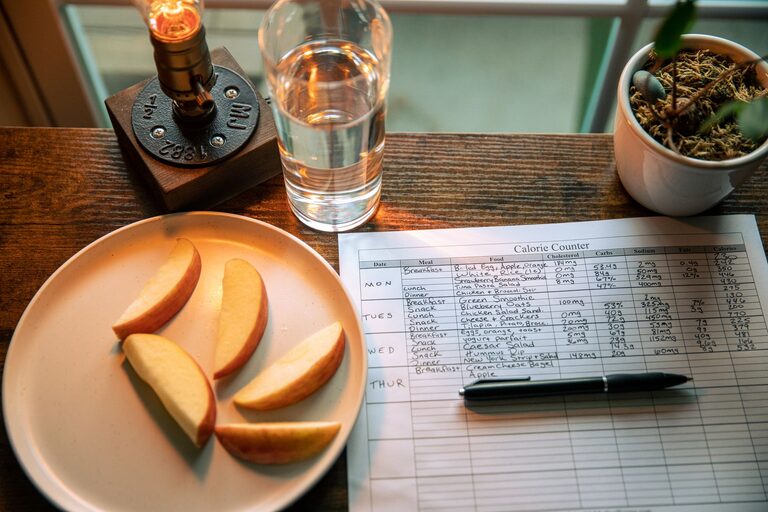
Planning balanced meals can sometimes feel overwhelming, especially with busy schedules and countless nutrition advice floating around. However, creating nutritious and satisfying meals doesn’t have to be stressful. With a few simple strategies, you can enjoy wholesome eating while saving time and energy. This guide will help you plan balanced meals effortlessly, making healthy eating both enjoyable and sustainable.
A balanced meal includes a variety of foods in the right proportions to provide essential nutrients like carbohydrates, proteins, fats, vitamins, and minerals. Typically, a balanced plate consists of:
– Vegetables and fruits – provide fiber, vitamins, and antioxidants
– Protein sources – such as lean meats, beans, tofu, or fish
– Whole grains – like brown rice, quinoa, or whole wheat bread
– Healthy fats – from nuts, seeds, avocados, or olive oil
– Dairy or dairy alternatives – to add calcium and vitamin D (optional depending on dietary preferences)
Meal planning helps you:
– Save time during busy weekdays
– Avoid last-minute unhealthy food choices
– Reduce food waste and save money
– Ensure nutritional needs are met consistently
– Decrease stress around mealtime decisions
Begin by dedicating 15 to 30 minutes each week to plan your meals. This upfront investment simplifies grocery shopping and cooking later.
– List meals for each day, including breakfast, lunch, dinner, and snacks.
– Consider your schedule and select simple recipes for busy days.
– Include meals that use similar ingredients to minimize waste.
Select recipes with few ingredients or ones that can be prepared in advance.
– Stir-fries, sheet-pan dinners, and salads are quick and adaptable.
– Use batch-cooking methods like slow cookers or instant pots.
– Swap ingredients based on what you have or prefer.
Use the “plate method” to make meals balanced and visually appealing.
– Fill half your plate with vegetables and fruits.
– Reserve one quarter for lean protein.
– Allocate one quarter for whole grains.
– Add a small portion of healthy fats or dairy.
Having staple foods on hand reduces stress and allows you to improvise meals easily.
Stock up on:
– Canned beans, lentils, and tomatoes
– Whole grains like oats, brown rice, and pasta
– Nuts, seeds, and healthy oils
– Frozen vegetables and fruits
– Herbs, spices, and condiments
Preparing ingredients in advance saves time during the week.
– Wash and chop vegetables once you bring them home.
– Cook grains or proteins in bulk and refrigerate or freeze portions.
– Portion snacks like nuts or cut fruits for easy access.
Meal planning shouldn’t feel restrictive.
– Include foods you enjoy to stay motivated.
– Adjust portion sizes and food combinations according to hunger cues.
– Allow flexibility to swap meals or ingredients as needed.
– Use a meal planning app or printable templates to organize ideas.
– Try theme nights like Meatless Monday or Taco Tuesday for variety.
– Cook with family or friends to share the load and bonding time.
– Keep a list of favorite easy meals to rotate regularly.
– Experiment with new recipes slowly to avoid overwhelm.
– Breakfast: Greek yogurt with berries, granola, and a sprinkle of nuts
– Lunch: Mixed greens salad with grilled chicken, quinoa, cherry tomatoes, cucumbers, and olive oil dressing
– Dinner: Baked salmon, steamed broccoli, and brown rice
– Snack: Apple slices with peanut butter or carrot sticks with hummus
Planning balanced meals without stress is achievable by organizing ahead, keeping meals simple, and making adjustments that fit your lifestyle. Remember, healthy eating is about progress, not perfection. Start small, stay consistent, and enjoy the benefits of nourishing meals with less worry. Happy meal planning!
